About
Troy Jason Valls
I've spent my life trying to understand what helps people change — not only intellectually, but from inside the lives and bodies they actually inhabit.
This is how I arrived here
One — The original terrain
I was born and raised in Miami, inside a family where cultures were always overlapping.
My mother is a Peruvian immigrant. My biological father is American. I was later adopted by my mother's second husband, an immigrant from Cuba. I grew up the middle child between two sisters, in a city and a household where languages, identities and expectations were always overlapping.
I was also surrounded by family. My mother was one of six siblings, and most of them raised their families in Miami too. Grandparents, aunts, uncles and cousins were woven into ordinary life — constant gatherings, noisy rooms, complicated personalities, deep affection, all the imperfect tenderness of a large family growing up alongside one another. Whatever complexities existed between us, love was never absent.
Neither was sacrifice. My parents worked extraordinarily hard to give us every opportunity they could, and put us in private Catholic schools because they believed that was the best chance they could hand us. But in a family shaped by immigration and the belief that hard work pays off, opportunity arrives carrying expectation. Good was rarely the destination while greatness still looked possible.
The pressure was never separate from love — in many ways it was one of the forms love took. Provision meant protection. Opportunity meant responsibility. Achievement became a way of honoring the people who had sacrificed to make it possible.
Before I knew anything about achievement, though, I was curious. I subscribed to National Geographic when I was very young and read volumes of the World Book Encyclopedia simply to occupy myself — places I'd never seen, animals I'd never encountered, ideas I hadn't yet considered.
And alongside all that fact, whole imagined worlds. Shel Silverstein and The Little Prince were the books I loved most — not because they explained anything, but because someone had built an entire world out of a few lines and a little strangeness, and invited me into it. Curiosity about what exists and curiosity about what could be turned out to be the same appetite.
Curiosity wasn't something I had to cultivate. It was simply how I met the world.
I was unusually comfortable moving between solitude and company. I could spend hours happily alone, finding an entire world inside an otherwise empty room — and I was also socially at ease, moving between groups, becoming something of a connector. For years I called myself an introverted extrovert. Looking back, I was learning how to stay occupied by my own experience while remaining genuinely interested in everyone else's.
Some of my happiest memories are from my grandparents' farm in Crawfordville, Florida, where my older sister and I spent entire summers. Horses, cows, chickens, hogs, geese, a donkey, dogs. I helped my grandmother in her garden, rode the horses, wandered old dirt roads and got "lost" in the backwoods. I could be alone in what felt like the middle of nowhere and never feel afraid.
The natural world gave my curiosity somewhere to roam. Nothing had to entertain me or tell me who to be. I didn't have language for it then, but those were my earliest experiences of being fully inside myself.
Two — Learning to read the room
Other parts of childhood were much harder.
I went to Catholic school, inside a fairly strict and traditional world. There was tremendous love and support around me, and there were also very clear ideas about who a person was supposed to be. As a queer kid who did not yet understand his own sexuality, I learned to pay extremely close attention to those ideas.
Other children seemed suspicious of my sexuality before I was. I was teased, pushed around, called names. Meanwhile I was so deeply in denial that I insisted I was straight. Early experiences around twelve or thirteen left me carrying enormous shame, and that shame made me even more determined to distance myself from what they might mean.
So I learned to read a room. To move between social worlds. To keep certain parts of myself private, and to be acceptable enough to avoid unwanted attention while staying connected to the people around me. That adaptability wasn't false. The socially comfortable kid, the solitary observer, the connector, the nature-loving explorer and the boy carefully monitoring how he was perceived were all me.
Some parts of me were expressions of who I naturally was. Others were intelligent responses to the environments around me. Most were probably both.
After high school I left Miami for Syracuse. I believed I was going to medical school and would eventually be a cardiologist. But leaving was about more than education — for the first time I was outside the structures that had defined me, free to find out who I might be.
That freedom did not arrive gracefully. As I found my messy way out of the closet, years of denial, shame and pressure broke through at once. I fell heavily into alcohol and drugs, went through a profound depression, and came dangerously close to ending my life. Eventually I failed out of school.
It was the first time the structure holding my identity together collapsed completely. It was also the first real turning point of my life. I had to decide whether I was going to disappear inside everything that had happened, or fight my way back into a life that could actually belong to me.
I petitioned the university to let me return, then worked my way through the rest of school and finished a degree in psychology with additional study in consumer behavior and philosophy.
At the time I understood it as survival. Only much later did I recognize what it had revealed: when the identity I'd been performing could no longer hold, something more honest began trying to emerge. When everything familiar fell away, something in me still wanted to live. Still wanted to know.
Three — Understanding people
For nearly twenty years, I got paid to understand what people want and why.
Psychology, consumer behavior and philosophy led me to New York and to nearly twenty years in advertising, from 2000 to 2018 — brand strategy, communications, consumer understanding. I was sharp, fast, ambitious and good at complicated problems. What I loved most was taking enormous amounts of information and finding the human truth running through all of it.
I also knew how to work. That inheritance ran deep: hard work pays off, good can become great, whatever the expectation is you can exceed it. Achievement gave me recognition, opportunity and a life larger than the one I'd imagined as a kid. It also gave me a reliable way to feel safe — if I stayed useful, impressive, productive and several steps ahead, I rarely had to wonder whether I was enough.
From the outside it looked like drive. From the inside it was a full-time job: answering emails at any hour to be a "team player," rebuilding pitch decks through all-nighters in pursuit of perfection, flying two and a half hours for a meeting that was cancelled before I landed, saying yes before I'd checked whether I had anything left to give. I was very good at holding it all together. I just never asked what holding it all together was costing me.
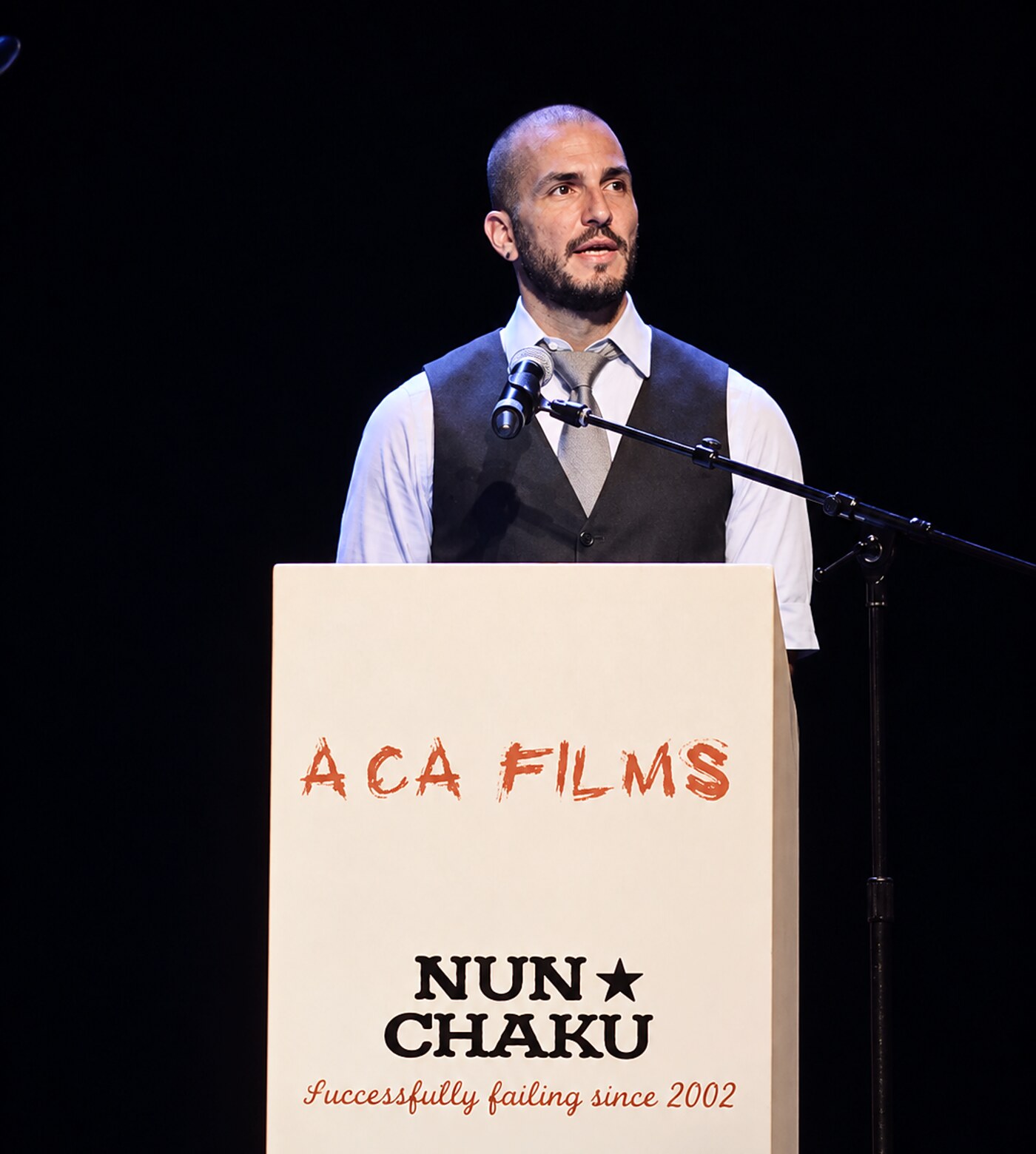
The child who read encyclopedias for fun had found an industry that rewarded him for wanting to understand everything.
Four — Returning to the body
The pattern worked well — until my body began asking questions my intellect couldn't answer.
In 2010 I tested positive for HIV. Because I was willfully ignorant about it at the time, the diagnosis first felt like a death sentence. It put fear, shame and mortality in front of me, along with the reality of how little attention I had been giving my own well-being.
In a strange way, it also became a gift. It was the beginning of actually participating in my own health rather than assuming it would keep up with me. I trained seriously. I found CrossFit, and through it pain, limitation, mobility, recovery, fascia, breath — and the slow discovery that a body responds to attention. In 2012, I began teaching and coaching, and found I could help other people reconnect with theirs.
My questions were shifting too. No longer only why someone chose one brand over another, but how people inhabited their lives. Why we become disconnected from ourselves. Why knowing something intellectually so rarely means we can live it. Somewhere in there I understood that being accomplished was not the same as being nourished.
Movement became more than exercise. It became a way of meeting myself.
Five — Building, and losing, the Village
I wanted to build something that reflected what I actually cared about.
In 2017 an opportunity came up to buy the CrossFit gym where I'd trained for five years. The deal didn't happen, but it woke something I could no longer dismiss. After a career spent helping other people and organizations articulate what they stood for, I wanted to build something of my own.
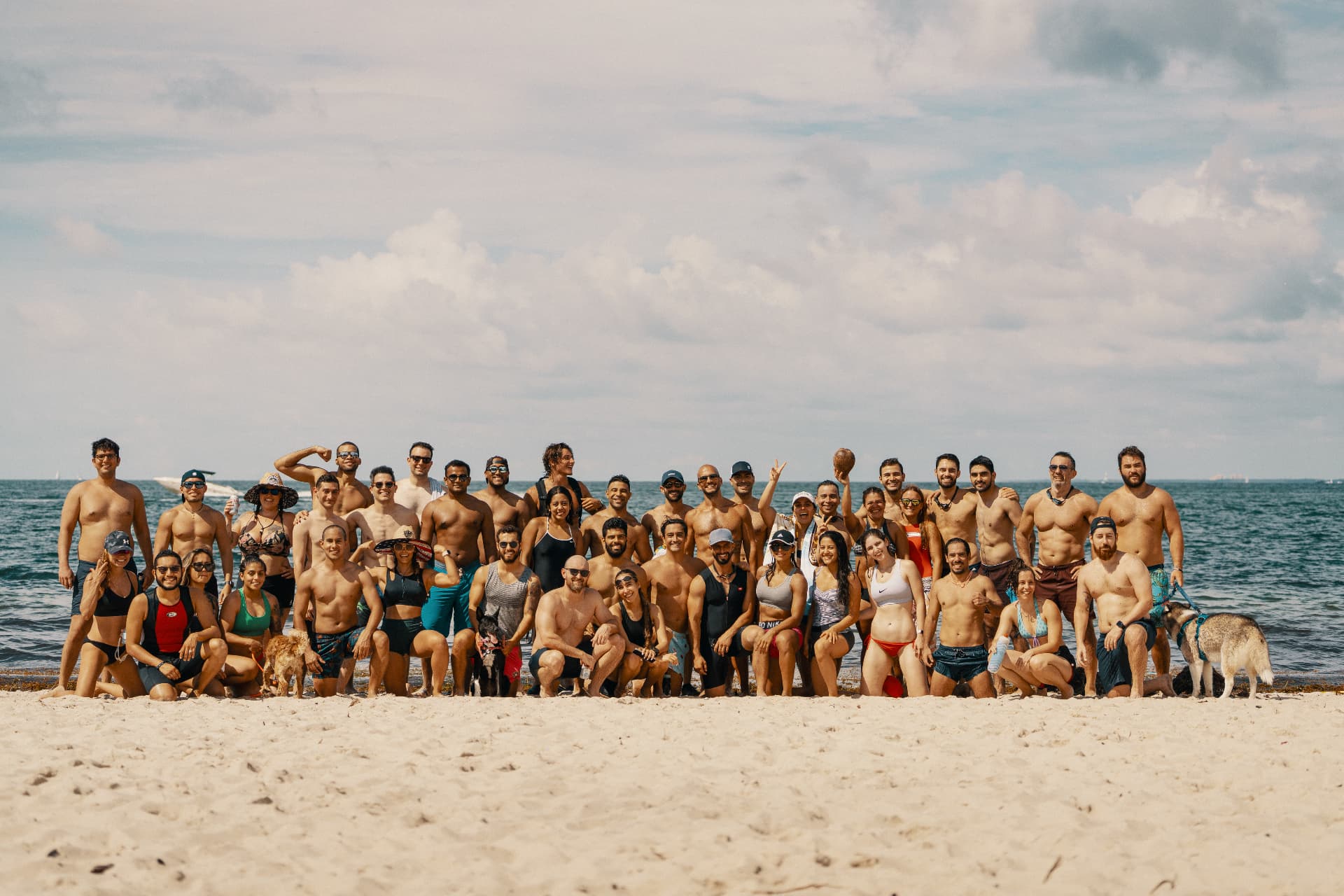
So I did. With two partners and a community that had already become family, I created Move. Lift. Live. in 2018. The idea was an exceptional fitness community that cared for the whole human being — mind, body and spirit. I left advertising, signed a lease in 2018, and opened our doors in Brickell in April 2019.
Less than a year later, COVID arrived. Somehow that wasn't the end of the story; in many ways it was the beginning. Move. Lift. Live. — the Village, as we called it — grew into a community of more than three hundred members supported by a team of over twenty-five professionals: coaching, group fitness, movement and skill development, mobility, rehabilitation, recovery.
It was never simply about the classes. It was about the experience of being known.
We closed in 2024, and I was devastated. The Village had been a business, but it had also been my community, my identity, my purpose, my livelihood, and the place where nearly all of my attention and energy went. Closing it brought legal and financial consequences, including bankruptcy. It left me without the structure I had organized my life around.
There's a particular kind of vertigo in losing the thing you built your days entirely around. The phone goes quiet. The calendar empties. And for the first time in years there was no room full of people to hold it all together for — just me, everything I'd been outrunning, and the hurt of staring into a void. No clue what came next. Only a clear sense that it would look nothing like what was behind me.
Six — What remained
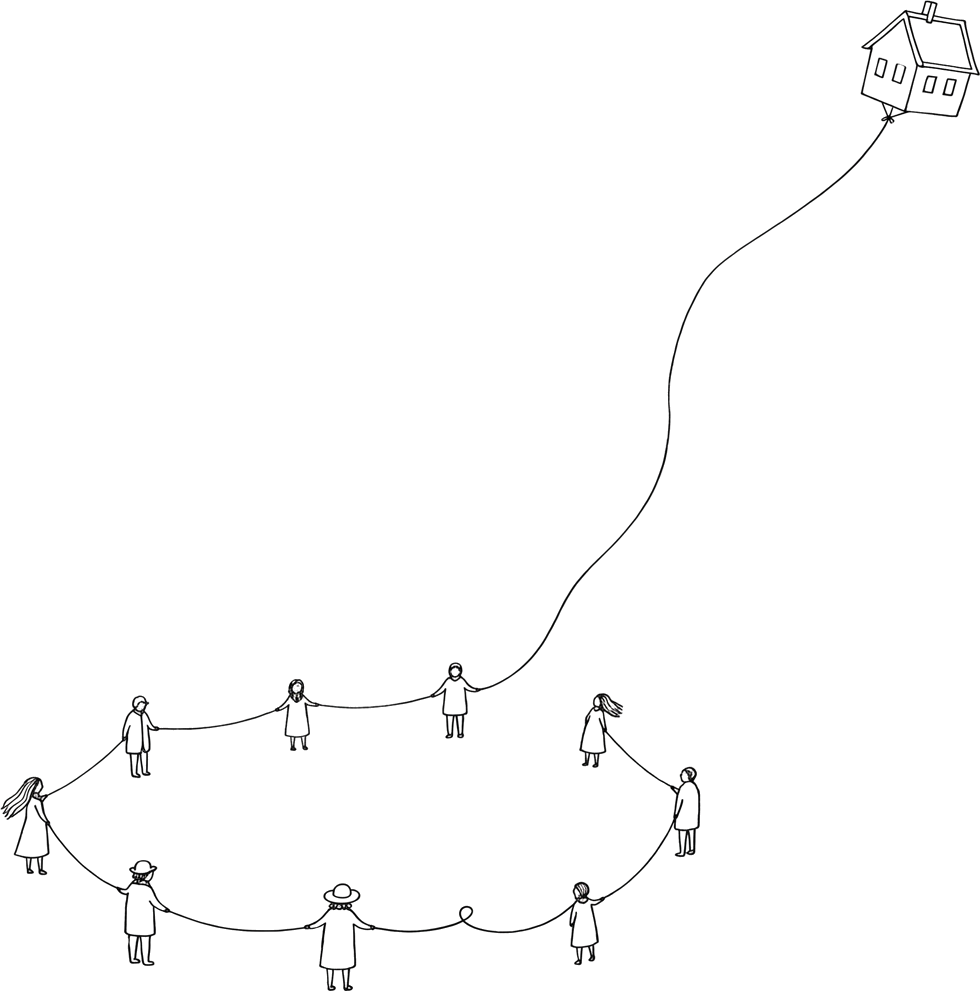
Before I could imagine a beautiful reinvention, I had to live through not knowing what came next.
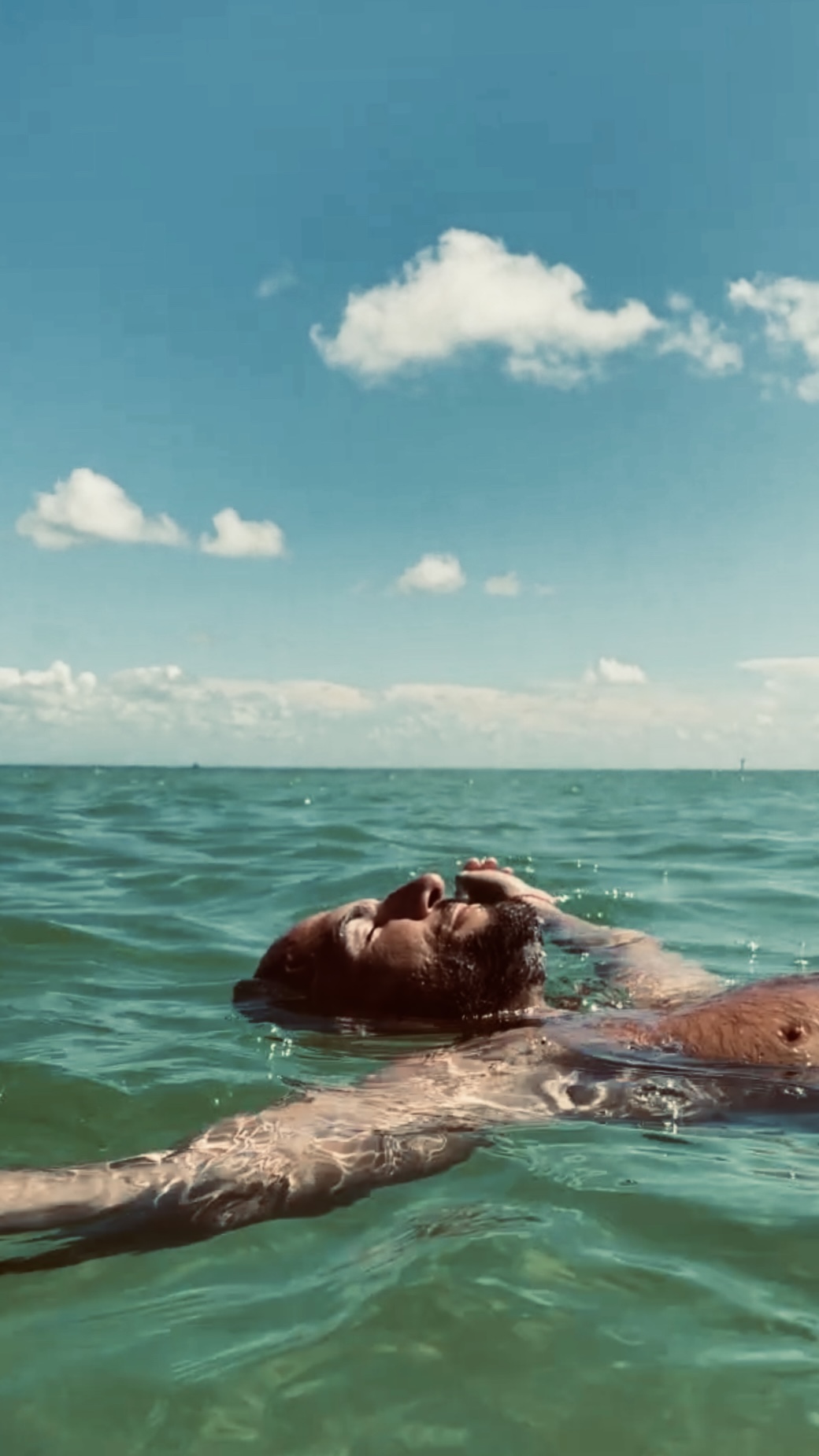
For much of the following year I felt lost. There was no triumphant pivot. Life simply became quieter. And underneath the grief and uncertainty, something quieter began to emerge. Not a plan, exactly. A knowing.
I started recognizing the difference between my patterns and my truth. My patterns were the beliefs that had helped me succeed: keep producing, keep proving, stay useful, anticipate what everyone needs, hold it all together, and figure out what's next before anyone notices you don't know.
Those patterns weren't evidence that I'd been false or broken. They were intelligent adaptations. They had protected me and propelled me and helped me build an extraordinary life.
They just weren't the whole truth anymore. And when I stopped demanding that the next destination appear on schedule, the curious child came back — the one who could wander a dirt road all afternoon without needing it to lead anywhere. I stopped seeing my life as a series of disconnected careers. Rings of a tree, not steps on a ladder. Everything had been sharpening the same lens.
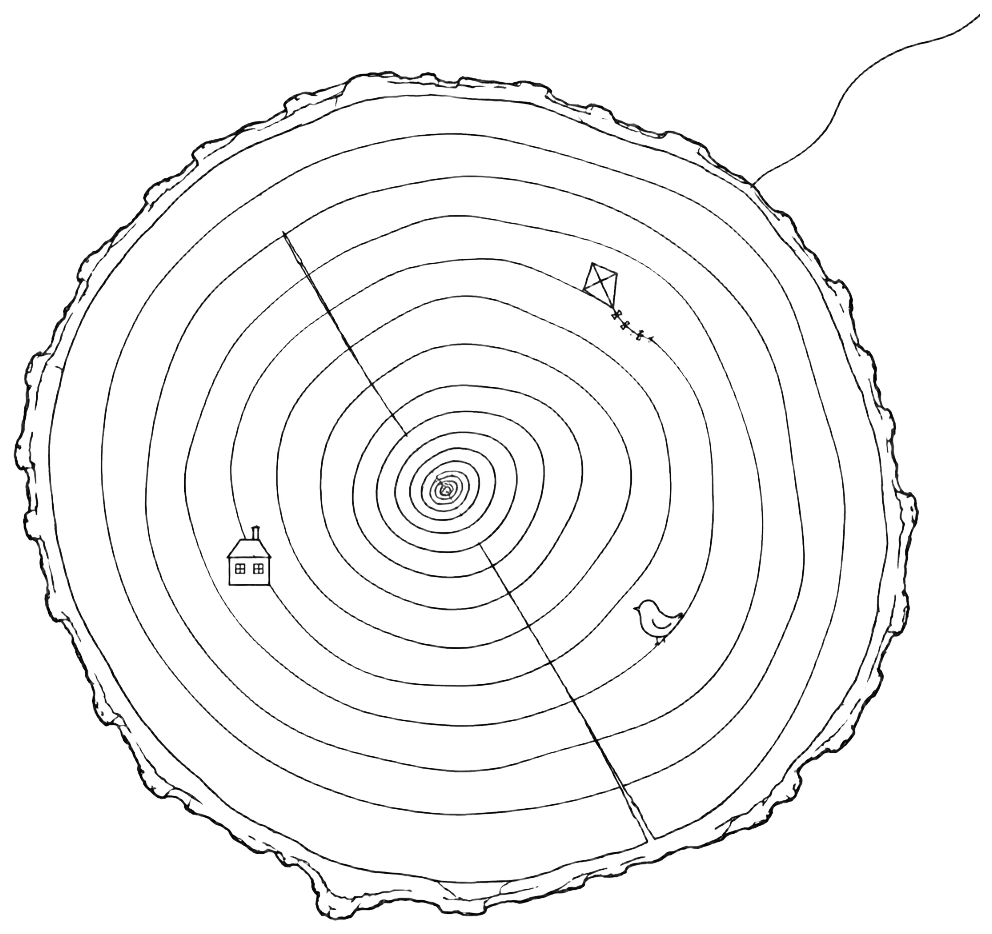
When the structures and identities disappeared, I discovered that I remained.
Seven — Embodied Current
Embodied Current is the name I've given to the body of work emerging through that lens.
Depending on the person, it might involve coaching, movement, mobility, touch, breath, meditation, sensory attention, conversation, nature, challenge, stillness or play.
But the tools are not the work. The person is the organizing principle.
I don't believe people are broken. I believe our bodies are brilliantly evolved organisms, shaped across millennia to adapt, communicate, protect and regulate on our behalf. Even patterns that eventually start to limit us usually began as intelligent responses to real circumstances. A symptom, a reaction, a recurring pattern is not proof of failure. It's information.
Which is also why understanding is not enough on its own. Insight moves perspective. Reorganization happens through experience — felt, repeated, in the body, with someone paying close enough attention to see the pattern behind the complaint. I'm currently enrolled in massage school for exactly that reason. Another ring, not a new identity.
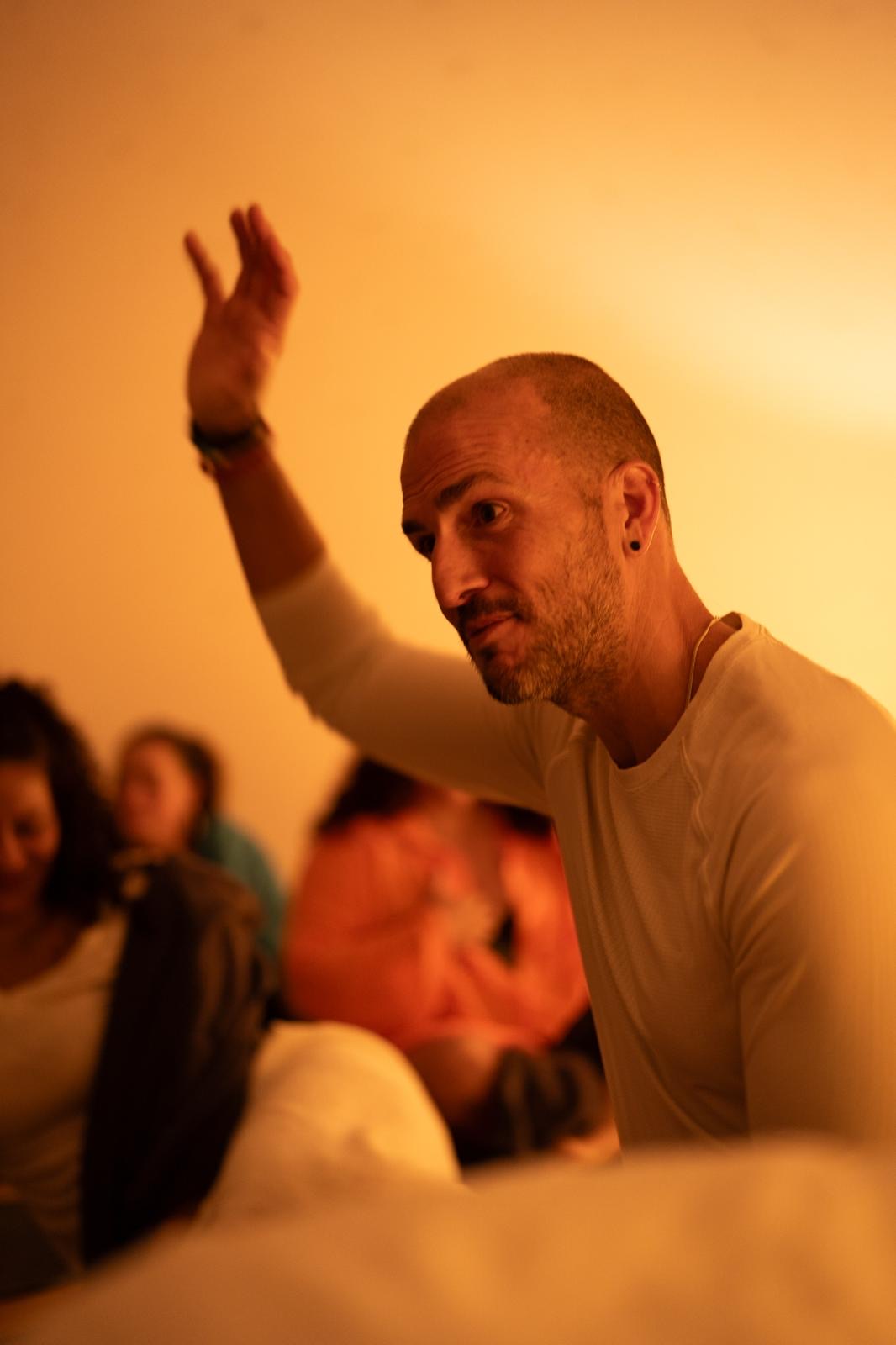
I don't help people fix their bodies. I help them recognize that they were never broken — and learn how to move back into them.
Eight — The living edge
Above all else, I'm a student.
I don't see myself as an advertising executive turned wellness guru. I don't feel like a guru of anything. I remain a student of life with far more questions than answers.
These days I've fallen strangely in love with uncertainty, and with the freedom of not knowing exactly where I'm going. For most of my life that would have terrified me.
I want to be honest about something: I still live inside the same world you do. I still get missed calls that make my stomach drop, even though my phone is permanently on DND. I still catch my shoulders creeping up when the Uber driver cancels and I'm already late getting to school. I still notice my breath going shallow and my energy going with it when the day gets away from me. The difference now isn't that I've transcended any of it — it's that I notice it, and I know how to come back to the ground under my feet before the day steals the rest of my life.
Now, when I stop demanding certainty, I become more available to what's actually here. My curiosity comes alive. I want to wander, travel, meet people, meet ideas, and keep discovering what this work — and this life — might become.
Perhaps that's the peace I want for other people. Not uninterrupted happiness or a life without challenge, but a grounded relationship with ourselves that lets us stay present through the whole impermanence of being alive.
A life worth living is not one I promise myself I will occupy someday. It is the life I am willing to inhabit now.